Hidden deep in the Andes of Peru lies one of the last great secrets of the Inca civilization: Choquequirao. Known as the “sacred sister of Machu Picchu”, this remote archaeological site offers not only fascinating history and majestic Inca architecture, but also one of the most rewarding trekking experiences in South America. Unlike its world-famous sibling, Choquequirao remains unspoiled, peaceful, and less visited, making it an ideal destination for adventurous travelers looking for authenticity, nature, and cultural immersion.
History and Meaning of Choquequirao
Choquequirao, which translates to “Cradle of Gold” in Quechua, was one of the most important ceremonial and administrative centers of the Inca Empire. Built during the reign of Pachacutec, the same ruler who expanded Machu Picchu, Choquequirao was strategically located overlooking the powerful Apurímac River. Its terraces, temples, and ceremonial plazas reflect the mastery of Inca engineering and the spiritual significance of mountains, water, and stars in Andean cosmology.
For centuries, Choquequirao was forgotten, hidden by dense vegetation and rugged geography. Only in recent decades has the site been rediscovered and slowly unveiled by archaeologists. Today, visiting Choquequirao is like stepping into a time capsule, experiencing the grandeur of an Inca city almost untouched by modern tourism.
Architecture and Spiritual Symbolism
The site extends across more than 1,800 hectares, although only around 40% has been excavated. Visitors can explore ritual plazas, intricate water channels, agricultural terraces, and remarkable stone constructions decorated with white llama figures — unique symbols that connect Choquequirao to its surrounding sacred landscapes. Every corner of the citadel reflects the deep spiritual vision of the Incas, where architecture was harmoniously integrated with nature.
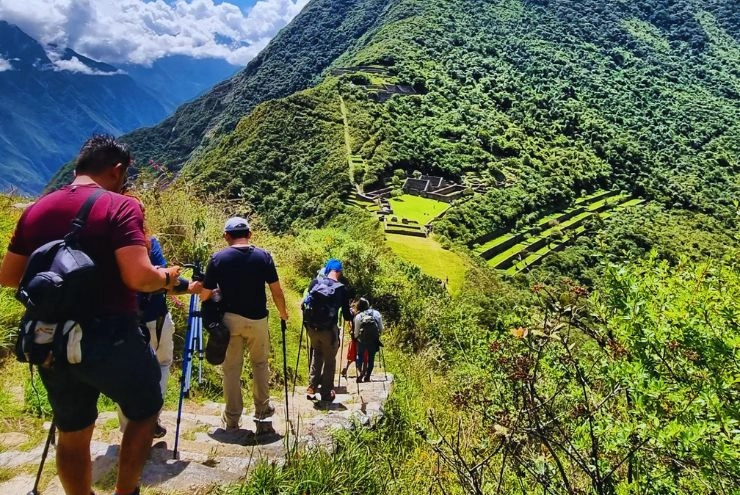
Inca walls and terraces preserved at Choquequirao.
Biodiversity Around Choquequirao
The trek to Choquequirao takes adventurers through diverse ecosystems, ranging from dry Andean valleys to cloud forests. Along the way, you may spot Andean condors soaring over the canyon, spectacled bears hiding among the vegetation, and countless species of hummingbirds. The flora is equally impressive, with orchids, bromeliads, and ferns decorating the trails. This extraordinary biodiversity makes Choquequirao not only an archaeological wonder but also a natural sanctuary.
Choquequirao vs. Machu Picchu: Sacred Sisters
While Machu Picchu is accessible by train and bus, Choquequirao can only be reached by trekking — a journey of approximately 4 days (round trip). This difference makes Choquequirao more challenging, but also more exclusive. Where Machu Picchu receives thousands of visitors daily, Choquequirao welcomes only a fraction of that, giving travelers the rare privilege of exploring an Inca city in peace and silence.
The terraces of Choquequirao, overlooking the Apurimac Canyon.
For many, Choquequirao feels like Machu Picchu did decades ago, a mystical and personal encounter with history, nature, and adventure.
The Trekking Experience with TOUR IN PERU
Our Choquequirao Trek 4D/3N is designed for travelers who want safety, comfort, and expert guidance throughout this adventure. With professional bilingual guides, high-quality camping equipment, nutritious meals prepared by trekking chefs, and pack animals to carry gear, TOUR IN PERU ensures a memorable journey.
Each day of the trek combines physical challenge with breathtaking rewards: spectacular sunrises over the Andes, star-filled skies at night, and the unforgettable first glimpse of Choquequirao after hours of effort. This is not just a trek — it is a transformative experience.
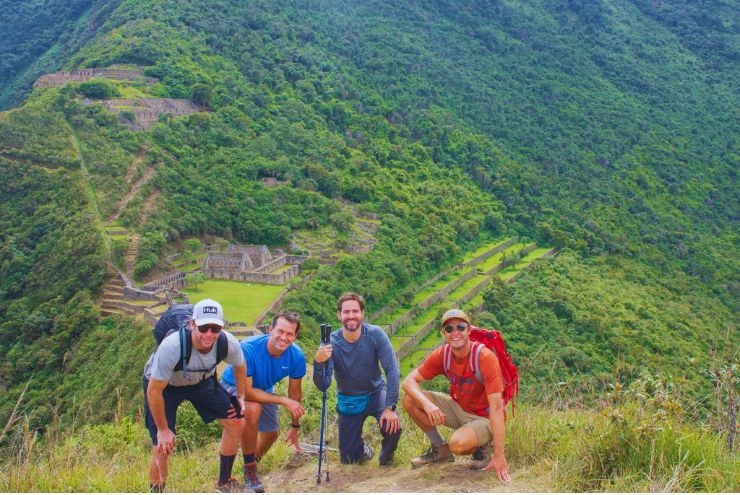
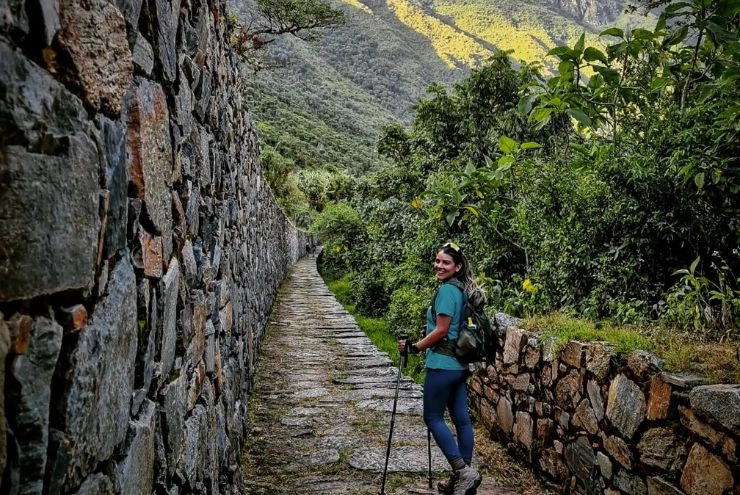
The trekking path to Choquequirao offers breathtaking views at every turn.
Why Visit Choquequirao Now?
- It remains one of the last hidden gems of the Inca world.
- Fewer crowds mean an authentic and intimate experience.
- You support sustainable and responsible tourism in Peru.
- The trek combines history, adventure, and unparalleled natural beauty.
FAQs about Choquequirao
Why is Choquequirao called the sister of Machu Picchu?
Because both cities share Inca architectural style, ceremonial importance, and mystical settings, though Choquequirao remains less explored and more secluded.
When is the best time to visit Choquequirao?
Between April and October, during the dry season, when trails are safer and skies clearer.
What animals and plants can be seen around Choquequirao?
Condors, spectacled bears, hummingbirds, orchids, bromeliads, and other high-Andean and cloud forest species.
How long does the trek to Choquequirao take?
About 4 days and 3 nights for the classic round-trip trek with TOUR IN PERU.
Is it harder to reach Choquequirao than Machu Picchu?
Yes, Choquequirao is only accessible by trekking, making it more demanding but also more rewarding.
What is included in the Choquequirao 4D/3N trek with TOUR IN PERU?
Professional guides, meals, camping equipment, pack animals, and full assistance during the adventure.
Is Choquequirao a sustainable and less crowded destination?
Absolutely. Its limited access protects the environment and allows for a genuine, uncrowded Inca experience.
The beauty of Choquequirao
Book Your Choquequirao Adventure Today
Are you ready to live one of the greatest adventures in Peru? Book Now, reserve your Choquequirao Trek 4D/3N now with TOUR IN PERU and discover the sacred sister of Machu Picchu. Experience history, challenge, and wonder, all in one unforgettable journey.